








We are so Lucky in Developing Nations, we can Go to a Doctor when we are unwell, we can ask to get help for Mental Health, but in Third World Countries the importance of Mental Health is at a minimum where people just have to “suffer” no help is at hand and it is sickening.
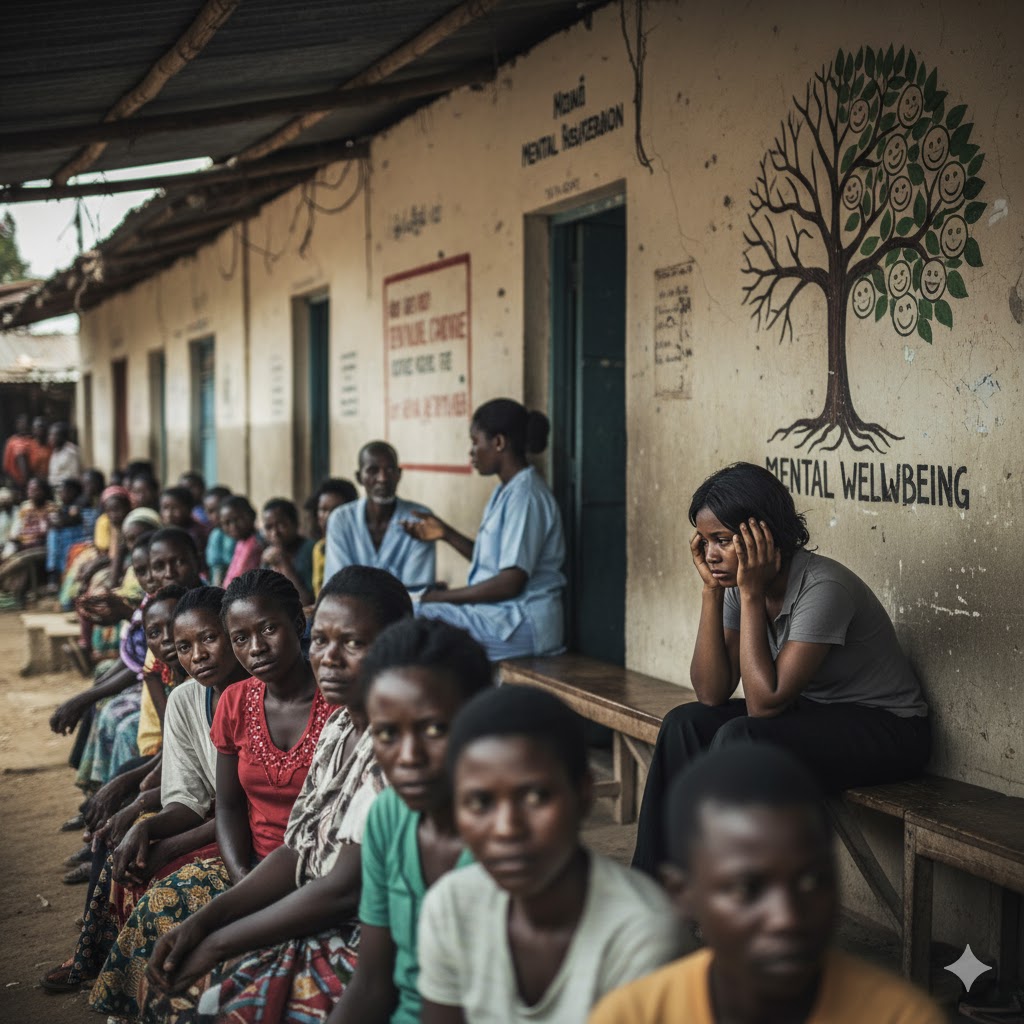
Mental health in low-income nations, often referred to as Global South or developing countries, faces immense challenges, creating a staggering treatment gap. While mental health conditions like depression and anxiety are prevalent worldwide, the vast majority—estimated at over 75% of people needing treatment in these countries—receive little or no care. This gap is a significant contributor to the global burden of disease, with mental disorders being a leading cause of years lived with disability. The lack of adequate services is rooted in a combination of factors, including extreme poverty, exposure to violence, conflict, and other adverse circumstances, which all heighten the risk of developing mental health issues.
Key Barriers to Mental Health Care 🌍
The primary obstacle is a severe shortage of resources. Government spending on mental health often accounts for less than 2% of total health budgets in the poorest nations. This minimal funding results in a critical lack of trained mental health professionals, such as psychiatrists, psychologists, and social workers. For instance, some countries have only a handful of psychiatrists for a population of millions. Furthermore, the limited facilities that do exist are often centralized in urban areas, making them inaccessible to the majority of the rural population. The costs of seeking care, which often must be paid out-of-pocket, also create an insurmountable barrier for those living in poverty, pushing families further into financial distress.
Societal and Cultural Factors 🗣️
In addition to resource constraints, deeply entrenched stigma and discrimination against mental illness are major barriers to seeking and receiving help. Mental health conditions are frequently misunderstood—sometimes viewed as a personal weakness, a moral failing, or attributed to supernatural causes—leading people to hide their struggles. This stigma affects individuals, families, and even health providers, who may neglect available diagnostic and therapeutic approaches. Moreover, cultural practices and a lack of public awareness mean that many individuals don’t recognize their symptoms as treatable conditions, resulting in low rates of help-seeking behavior.
Innovative Approaches and the Way Forward ✨
Despite the challenges, innovative, cost-effective models are emerging to address the mental health crisis. Strategies focus on integrating mental health care into primary health care systems, making it more accessible at the community level. The World Health Organization’s (WHO) Mental Health Gap Action Programme (mhGAP) trains non-specialist health workers to deliver essential mental health services. Community-based interventions, such as the Friendship Bench program in Zimbabwe, train lay health workers (like grandmothers) to provide basic psychosocial counseling, proving that effective care can be delivered with minimal resources and local knowledge. These initiatives, rooted in community involvement and cultural understanding, are vital for overcoming the service gap and moving towards a future where mental health is a basic right, not a privilege.
Would you like to know more about a specific mental health initiative in a developing country, like the Friendship Bench program?
Please share me.

Discover more from WILLIAMS WRITINGS.
Subscribe to get the latest posts sent to your email.




Those other countries are back where we were years ago when people were just put in an institution or hidden away in the home.
yes its quite sad Bev, but thankfully these days its understood as an illness.. thank you.
Maybe AI Apps with specific knowledge and process guardrails could support mental health workers, people like teachers and even individuals in these situations and more broadly.
Yes mate it has to start somewhere, great idea, thanks a lot for your input.