






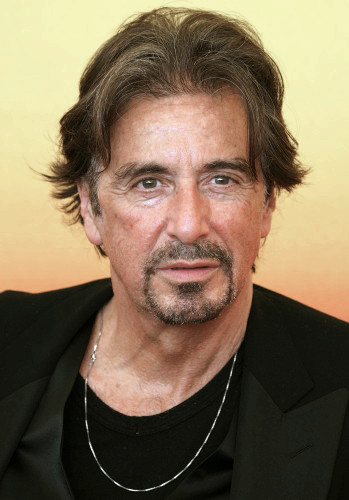
I watched this series twice thats how well it was made. Al Pacino acted his socks off.
The Premise
Set in 1977 New York City, Hunters follows Jonah Heidelbaum (Logan Lerman), a young Jewish man who, following the murder of his grandmother, is recruited into a secret society of Nazi hunters. Led by the enigmatic philanthropist and Holocaust survivor Meyer Offerman (Al Pacino), the group discovers a conspiracy of high-ranking Nazi officials living in the U.S. who are plotting to create a “Fourth Reich.”
The Tone: Tarantino Meets the Torah
The most striking aspect of Hunters is its aggressive, “pulp fiction” aesthetic. Influenced by 1970s exploitation cinema and comic book sensibilities, the show doesn’t shy away from vibrant colors, stylized violence, and meta-commentary.
However, this creates a tonal whiplash that remains the show’s most controversial feature. In one scene, the show depicts the harrowing, somber reality of the Holocaust with agonizing detail; in the next, it breaks into a 1970s-style fake commercial or a choreographed action sequence. For some, this “Inglourious Basterds” approach is a refreshing way to reclaim Jewish trauma through a lens of empowerment. For others, the juxtaposition of real-world atrocity with cartoonish gore feels insensitive or disjointed.
Standout Performances
- Al Pacino: In his first-ever lead television role, Pacino is predictably magnetic. He brings a gravitas and a “Professor X” energy to the group, though his thick Yiddish accent has been a point of debate among viewers.
- Logan Lerman: Lerman carries the emotional weight of the series effectively, portraying Jonah’s transition from a grieving teen to a hardened vigilante struggling with the morality of “being bad to fight evil.”
- The Ensemble: The “Hunters” themselves—including Carol Kane’s weapons expert and Josh Radnor’s disgraced actor—are fun, though arguably underutilized in favor of the main plot twists.
The Controversy of “Fiction vs. Fact”
The series has faced criticism from organizations like the Auschwitz-Birkenau State Museum for inventing “fake” atrocities (such as a human chess game in the camps) to heighten the drama. The showrunners argued that these were intended as symbolic representations of Nazi cruelty, but it highlights the delicate line the show walks between historical respect and narrative entertainment.
Final Verdict
Hunters is not a “easy” watch. It is loud, bloody, and narratively messy. Yet, it is also deeply ambitious, tackling themes of generational trauma and the cyclical nature of revenge. If you can handle the shift from somber drama to over-the-top action, it offers a thrilling—if imperfect—alternative history saga.
If you enjoy a good series, then this is for you.
Please share me.

Discover more from WILLIAMS WRITINGS.
Subscribe to get the latest posts sent to your email.