



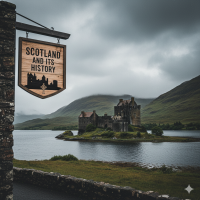




The Scottish education system has always had a characteristic emphasis on a broad education. In the 15th century, the Humanist emphasis on education cumulated with the passing of the Education Act 1496, which decreed that all sons of barons and freeholders of substance should attend grammar schools to learn “perfyct Latyne”, resulting in an increase in literacy among a male and wealthy elite. In the Reformation, the 1560 First Book of Discipline set out a plan for a school in every parish, but this proved financially impossible. In 1616 an act in Privy council commanded every parish to establish a school. By the late seventeenth century there was a largely complete network of parish schools in the lowlands, but in the Highlands basic education was still lacking in many areas. Education remained a matter for the church rather than the state until the Education (Scotland) Act 1872.
Education in Scotland is the responsibility of the Scottish Government and is overseen by its executive agency Education Scotland. The Curriculum for Excellence, Scotland’s national school curriculum, presently provides the curricular framework for children and young people from age 3 to 18. All 3- and 4-year-old children in Scotland are entitled to a free nursery place. Formal primary education begins at approximately 5 years old and lasts for 7 years (P1–P7); children in Scotland study National Qualifications of the Curriculum for Excellence between the ages of 14 and 18. The school leaving age is 16, after which students may choose to remain at school and study further qualifications. A small number of students at certain private schools may follow the English system and study towards GCSEs and A and AS-Levels instead.
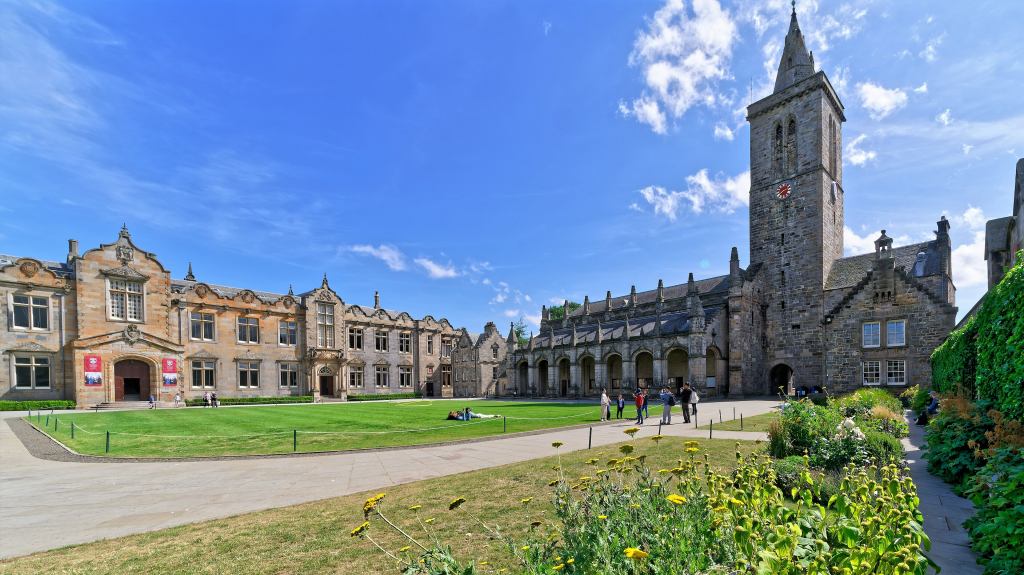
There are fifteen Scottish universities, some of which are among the oldest in the world. The four universities founded before the end of the 16th century – the University of St Andrews, the University of Glasgow, the University of Aberdeen and the University of Edinburgh – are collectively known as the ancient universities of Scotland, all of which rank among the 200 best universities in the world in the THE rankings, with Edinburgh placing in the top 50. Scotland had more universities per capita in QS’ World University Rankings’ top 100 in 2012 than any other nation. The country produces 1% of the world’s published research with less than 0.1% of the world’s population, and higher education institutions account for 9% of Scotland’s service sector exports. Scotland’s University Courts are the only bodies in Scotland authorised to award degrees.
Please share me.

Discover more from WILLIAMS WRITINGS.
Subscribe to get the latest posts sent to your email.


Scotland’s history shows how great it is, William.
awe thanks Tim, nice of you to say.
A good education on your country and the world promotes knowledge and well rounded thinking. Too many countries concentrate just on their own history. Happy Saturday Billy. Allan
well said allan and your right. have a great weekend..
Is there an academically selective grammar school system like in England?
yes mate they are pretty much the same.. hope you are well..
friends at lunch yesterday
pickle ball for desert
I hope you are enjoying the weekend too, Billy…
and indeed life
thanks mate yes I am now I am retired lol, thanks have a good one.
As a retired teacher, I always enjoy hearing about the educational systems in other countries. Liked the fact that they provided nursery school care at the age of 3.
yes bev, its for parents who have to work, and it gives the child a good start in life, thank you.